Febrile seizures can be frightening for any parent. These seizures happen in young children when they have a fever. If your child has a febrile seizure, knowing what to do is very important. In this blog, you will learn how to handle febrile seizures in children, first aid for febrile seizures, and when to seek help during a pediatric seizure emergency. With the right steps, you can keep your child safe and calm.
What Are Febrile Seizures?
Febrile seizures are convulsions that happen in children when they have a high fever. Usually, these seizures affect children between 6 months and 5 years old. Most febrile seizures last less than five minutes. However, they can be scary to watch. According to the CDC, febrile seizures are common and usually do not cause long-term harm. Still, it is important to know how to respond.
Recognizing the Signs and Symptoms
It helps to know what febrile seizures look like. Often, a child may:
Sometimes, the child may be sleepy or confused after the seizure. But most children recover quickly. If you see these signs, it is likely a febrile seizure.
Immediate Steps Parents Should Take
When a febrile seizure happens, it is natural to panic. However, staying calm helps your child. Here is what you should do:
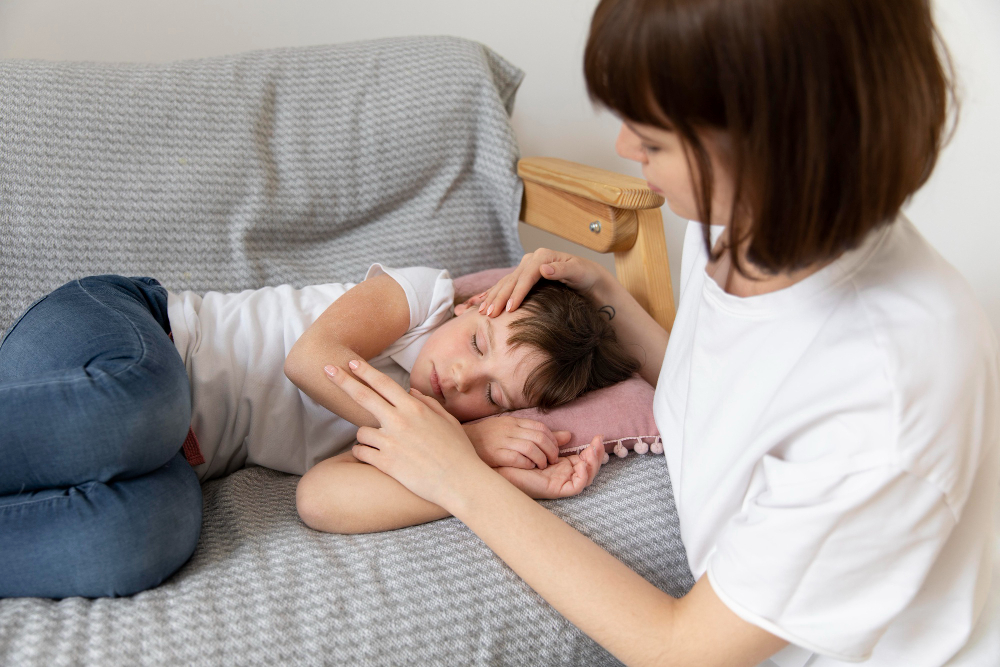
Additionally, keep your child in view and watch their breathing. Most seizures stop on their own within a few minutes.
What Not to Do During a Febrile Seizure
Some actions can make things worse. Therefore, avoid these mistakes:
Instead, focus on keeping your child safe and comfortable until the seizure ends.
When to Seek Medical Help
Most febrile seizures are not dangerous. However, you should call your doctor or emergency services if:
In some areas, emergency services may arrive quickly. But always follow local guidelines for pediatric emergencies.
Prevention Tips and Home Care
While you cannot always prevent febrile seizures, you can lower the risk. Here are some tips:
After a seizure, let your child rest. If you have questions, talk to your doctor for guidance. The CDC and WHO recommend regular check-ups for children with frequent fevers.
If your child experiences a febrile seizure, consult a pediatrician Dr. ABDUL SAMAD for personalized advice and reassurance.