What Are Low Birth Weight Babies?
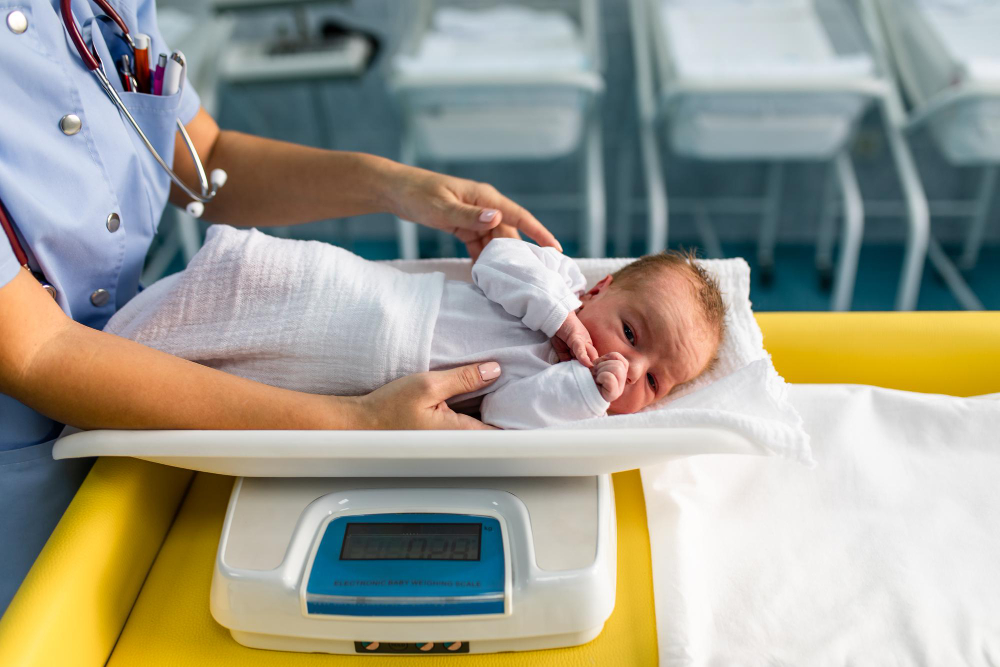
Low birth weight babies are newborns who weigh less than 2.5 kilograms (about 5.5 pounds) at birth. Often, these babies are born too early or have not grown enough in the womb. Because of their size, they may need special care. In many cases, low birth weight babies are also called premature infants if they are born before 37 weeks of pregnancy. However, some full-term babies can also have low birth weight. Early support and care are important for their health and growth.
Causes of Low Birth Weight
There are several causes of low birth weight. Sometimes, more than one factor can play a role. Understanding these causes helps in preventing low birth weight when possible. For example, some common causes include:
Additionally, lack of prenatal care can increase the risk. Therefore, regular check-ups are important for every expectant mother.
Risks and Health Complications
Low birth weight babies face higher risks for health problems. Because their bodies are small and less developed, they may struggle with basic functions. For instance, some risks for low birth weight babies include:
However, with proper care, many low birth weight babies grow up healthy. Early support can make a big difference in their future health.
Diagnosis and Monitoring
Doctors diagnose low birth weight at birth by weighing the baby. Sometimes, they may also use ultrasound during pregnancy to check the baby’s growth. After birth, regular monitoring is important. For example, doctors will:
Because early detection helps, parents should keep all follow-up visits. This ensures the baby gets the right care at the right time.
Treatment and Care Strategies
Care for premature infants and low birth weight babies often starts in the hospital. Some babies may need to stay in a special unit called the NICU (Neonatal Intensive Care Unit). There, they get extra support. Common care strategies include:
At home, parents should follow the doctor’s advice closely. For example, keeping the baby warm, feeding on schedule, and attending all check-ups are important steps. With time and care, most babies gain weight and grow stronger.
Prevention Tips for Expectant Mothers
Preventing low birth weight starts with good care during pregnancy. Expectant mothers can lower the risk by following these tips:
Because early action matters, mothers should talk to their doctor about any concerns. This helps in preventing low birth weight and supports a healthy pregnancy.
When to Seek Medical Help
Parents should seek medical help if their baby:
Additionally, if parents feel worried about their baby’s health, it is always best to call a doctor. Early care can prevent serious problems.
In summary, low birth weight babies need extra care and attention. However, with the right support, most can grow up healthy. Consult a pediatrician DR. ABDUL SAMAD for personalized advice and support regarding low birth weight babies.