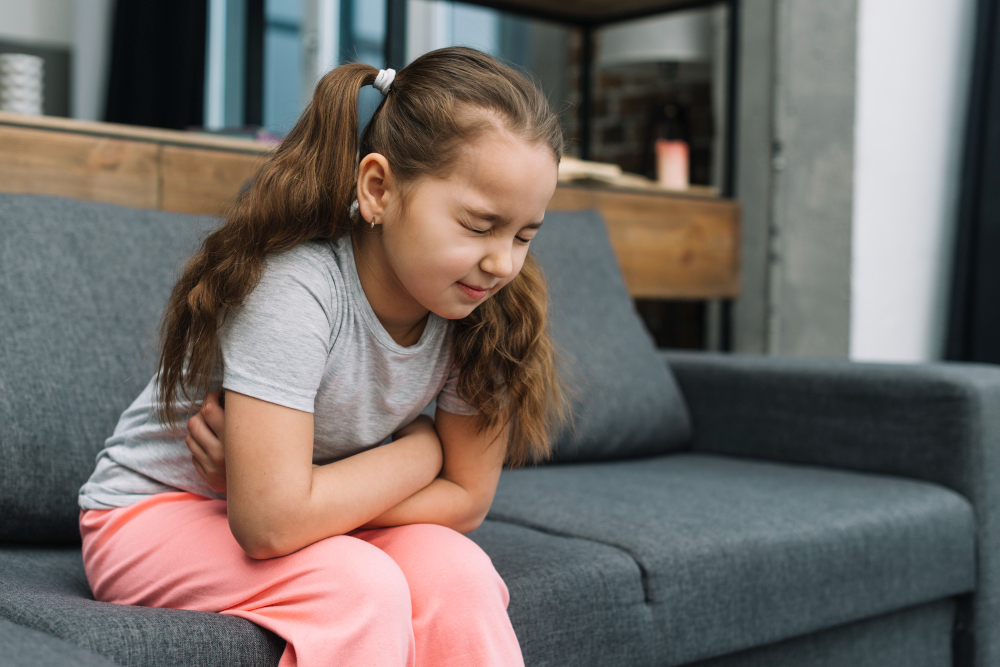
What is Diarrhea in Children?
Diarrhea in children means your child has loose or watery stools more often than usual. Often, this happens three or more times in a day. Sometimes, diarrhea in children lasts only a few days. Other times, it can last longer. Because diarrhea can lead to dehydration, it is important to watch your child closely. According to the World Health Organization (WHO), diarrhea is a leading cause of illness in children worldwide. In many cases, it can be managed at home with care and attention.
Common Symptoms of Diarrhea in Children
Children with diarrhea may have more than just loose stools. For example, other symptoms can appear along with diarrhea. Early recognition helps prevent complications. Here are common child diarrhea symptoms:
Sometimes, you may notice blood or mucus in the stool. If so, seek medical help right away. Additionally, if your child seems very sleepy or cannot keep fluids down, contact a doctor.
Causes of Diarrhea in Children
There are many causes of diarrhea in children. Most often, infections are to blame. However, other factors can also play a role. Below are some common causes:
Because the causes vary, it is important to watch for patterns or triggers. For instance, if diarrhea starts after a new food or medicine, let your doctor know.
How Diarrhea in Children is Diagnosed
Doctors use several steps to diagnose diarrhea in children. First, they ask about your child’s symptoms and recent activities. For example, they may ask about travel, new foods, or sick contacts. Next, they perform a physical exam. Sometimes, tests are needed. These may include:
In many cases, no tests are needed if the diarrhea is mild and your child is otherwise healthy. However, if symptoms are severe or last more than a few days, testing helps find the cause.
Treatment Options for Diarrhea in Children
Treatment for diarrhea in kids focuses on preventing dehydration and easing symptoms. Most children get better with simple care at home. However, some may need medical help. Here are common treatment steps:
Sometimes, antibiotics are needed if a bacterial infection is found. However, most cases do not need antibiotics. If your child shows signs of dehydration, such as dry mouth or no tears when crying, seek medical care right away.
Home Care and Lifestyle Tips
While your child recovers, home care is very important. For instance, you can help your child feel better by following these tips:
If your child vomits, wait 15–30 minutes before trying fluids again. Then, give small amounts at a time. If symptoms get worse or last more than a few days, contact your doctor.
Preventing Diarrhea in Children
Prevention is key to keeping your child healthy. Fortunately, many steps can lower the risk of diarrhea in children. Here are some helpful ways to prevent diarrhea:
By following these steps, you can help protect your child from common causes of diarrhea. Good hygiene and safe food practices are especially important for young children.
Conclusion:
Diarrhea is common in children but can lead to dehydration if not managed properly. Recognising warning signs, ensuring adequate fluids, and seeking medical advice when needed can help protect your child’s health and support a faster recovery.
Is your child experiencing frequent loose stools or signs of dehydration?
Consult RN Children’s Hospital for expert pediatric care and timely guidance.