What Is Newborn Fever?
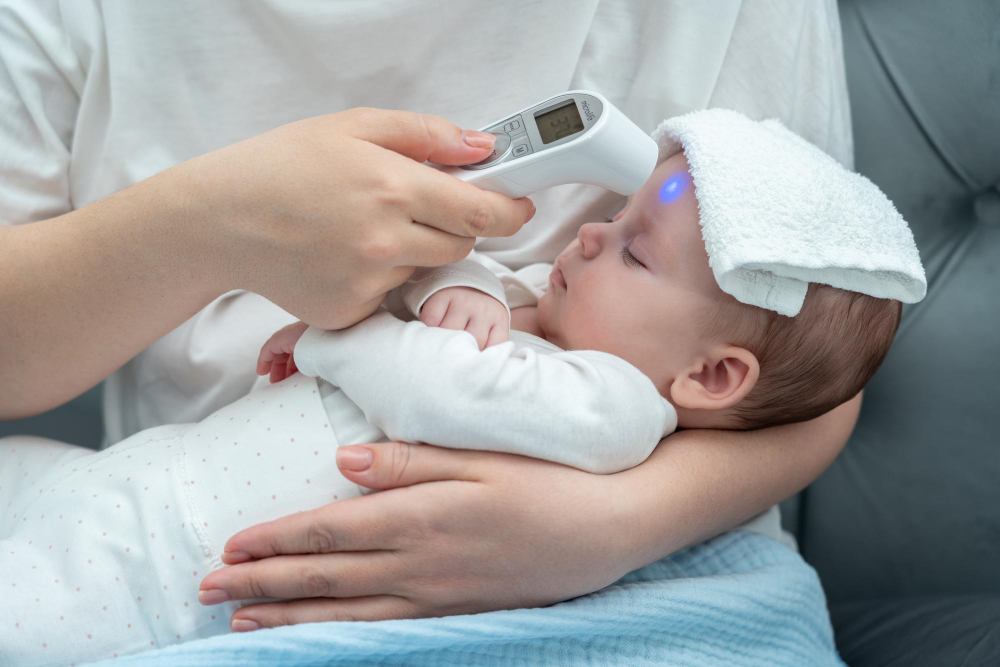
Newborn fever means a baby under 3 months old has a body temperature of 100.4°F (38°C) or higher. Doctors use this number to decide when a baby needs urgent care. Even a small rise in temperature can signal a serious problem in newborns. Because their immune systems are not fully developed, newborn fever can quickly become dangerous. The CDC and WHO both stress the need for quick action when a newborn has a fever.
Common Symptoms of Fever in Newborns
Sometimes, newborns do not show clear signs of fever. However, you may notice changes in how your baby acts or looks. For example, your baby may:
In addition, some babies may cry weakly or have fewer wet diapers. Because these signs can be subtle, parents should check their baby’s temperature if they notice anything unusual.
Causes of Fever in Newborns
Many things can cause fever in infants. However, infections are the most common reason. For instance, newborns can get infections from bacteria or viruses. Sometimes, these infections start during birth. Other times, babies catch germs from people around them. Less often, fever can come from overheating or reactions to vaccines. But, in newborns, doctors always check for serious infections first.
Because newborns cannot fight germs well, even mild infections can become severe quickly.
Why Newborn Fever Is a Medical Emergency
Newborn fever is always an emergency. Unlike older children, babies under 3 months have weak immune systems. Therefore, they cannot stop infections as well. According to the CDC, a fever in a newborn may be the first sign of a life-threatening infection, such as meningitis or sepsis. Even if your baby looks fine, you should never wait to see if the fever goes away. Quick treatment can save your baby’s life. In many cities, urgent care centers and hospitals are ready to help newborns with fever at any time.
How Doctors Diagnose Fever in Newborns
When you bring your baby to the doctor for fever, the care team acts fast. First, they check your baby’s temperature with a rectal thermometer, as this gives the most accurate reading. Next, doctors ask about your baby’s symptoms and medical history. Then, they may order tests to find the cause of the fever. These tests can include:
Because newborn fever can be serious, doctors often admit babies to the hospital for close monitoring and care.
Treatment Options for Newborn Fever
Treatment for fever in infants depends on the cause. However, doctors usually start antibiotics right away, even before test results come back. This helps treat any possible bacterial infection quickly. If tests later show a virus is to blame, doctors may stop the antibiotics. In the hospital, your baby may get fluids through a vein to prevent dehydration. Nurses check your baby’s vital signs often. Sometimes, babies need extra oxygen or other treatments if they have trouble breathing. The care team will explain each step to you and answer your questions.
Prevention Tips and When to Seek Help
Although you cannot prevent every fever, you can lower your baby’s risk. For example, you should:
Still, if your newborn has a fever of 100.4°F (38°C) or higher, call your doctor or go to urgent care right away. In addition, seek help if your baby:
Because newborn fever can be serious, quick action is always best. Consult Dr. ABDUL SAMAD