Introduction
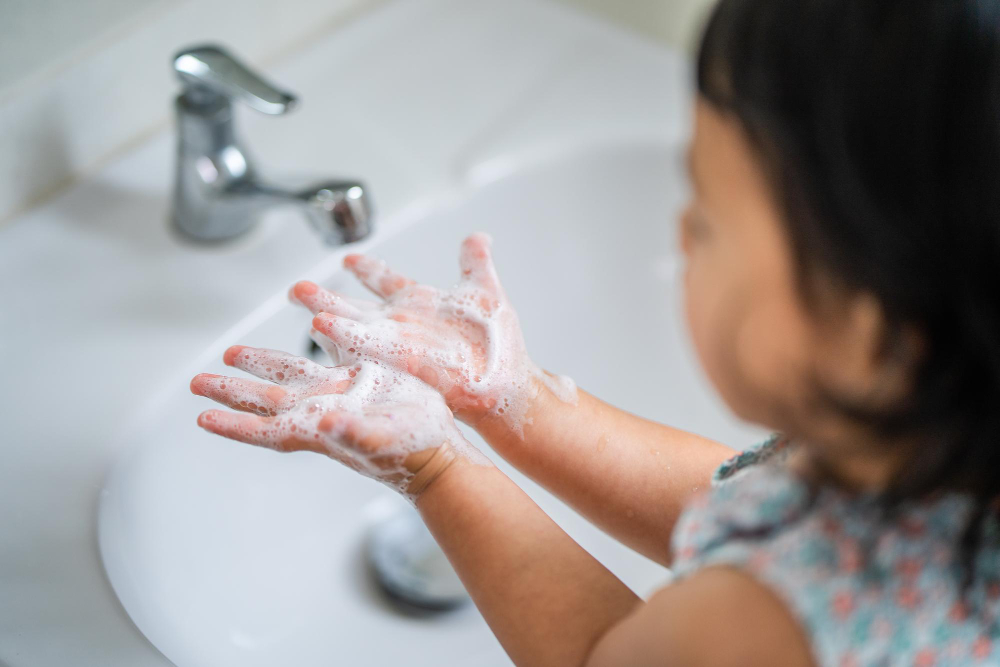
Good hand hygiene is one of the best ways to keep children healthy. In fact, teaching hand hygiene habits every child should learn helps prevent many infections. According to the CDC and WHO, clean hands can stop the spread of germs at home, school, and in the community. Because children often touch their faces and share items, they can easily pick up and spread germs. Therefore, it is important for parents and caregivers to help kids build strong handwashing habits early.
Key Hand Hygiene Habits
Children should learn simple but important hand hygiene habits. These habits protect them and others from getting sick. For example, kids should:
By practicing these habits, children can lower their risk of illness. Moreover, these steps are easy to remember and follow.
When Should Children Wash Their Hands?
Knowing when to wash hands is just as important as knowing how. Children should wash their hands:
Because germs can spread quickly, regular handwashing is key. Even after school or daycare, washing hands helps keep families safe.
How to Teach Hand Hygiene to Kids
Teaching kids about hand hygiene can be fun and simple. For instance, you can:
Because children learn by watching adults, your actions matter. In addition, gentle reminders help kids remember to wash their hands at the right times.
Common Mistakes and How to Avoid Them
Sometimes, children may skip steps or rush through handwashing. However, you can help them avoid these common mistakes:
With regular practice and support, children can build better habits. Also, check in often to see how they are doing.
Benefits of Good Hand Hygiene
Good hand hygiene offers many benefits for children and families. For example, it can:
Because healthy habits start early, teaching kids about hand hygiene is a smart choice. The CDC and WHO both recommend regular handwashing for everyone.
Prevention Tips for Parents and Caregivers
Parents and caregivers play a big role in teaching hand hygiene for children. Here are some helpful tips:
In some areas, water may not always be available. In those cases, use alcohol-based hand sanitizer as a backup. However, always supervise young children when using sanitizer.
Conclusion & Call-to-Action
In summary, hand hygiene habits every child should learn are simple but powerful. By teaching and practicing these habits, you help protect your child and others from illness. For more guidance, consult your pediatrician Dr. ABDUL SAMAD for personalized advice on hand hygiene for your child.