Introduction
Typhoid is a serious illness caused by bacteria. It spreads through unsafe food and dirty water. Because of this, safe food and clean water to prevent typhoid are very important. Typhoid can cause high fever, stomach pain, and weakness. Children are at higher risk, but anyone can get sick. However, you can protect your family by following simple steps. This blog will share easy tips to keep your food and water safe. Let’s learn how to prevent typhoid at home and keep everyone healthy.
What is Typhoid?
Typhoid is an infection caused by the Salmonella Typhi bacteria. It mainly affects the stomach and intestines. People with typhoid often have a high fever, headache, and stomach pain. Sometimes, they may feel very tired or have diarrhea. If not treated, typhoid can become dangerous. According to the World Health Organization (WHO), typhoid is common in places with unsafe water and poor food hygiene.
How Typhoid Spreads
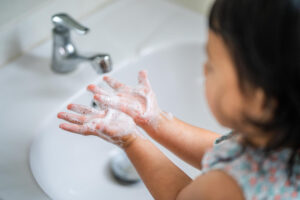
Typhoid spreads when people eat or drink food and water that have the bacteria. For example, if someone with typhoid does not wash their hands and touches food, the germs can spread. Also, water from dirty sources can carry the bacteria. Because of this, it is easy for typhoid to pass from one person to another, especially in crowded areas.
Why Safe Food and Clean Water Matter
Safe food and clean water are key to stopping typhoid. When food is cooked well and water is clean, the bacteria cannot survive. In addition, good hygiene keeps germs away from your family. Clean drinking water tips and food safety for typhoid prevention are simple but powerful. By following these, you lower the risk of illness for everyone, especially children.
Practical Tips for Safe Food
Keeping food safe is easy if you follow some basic steps. Here are some tips for families:
Practical Tips for Clean Water
Clean water is just as important as safe food. Here’s how you can keep your water safe:
Signs of Unsafe Food and Water
Sometimes, it is hard to tell if food or water is unsafe. However, you can look for these signs:
If you notice any of these, do not eat or drink them. Instead, throw them away to stay safe.
Prevention Strategies for Families and Children
Families can take simple steps to prevent typhoid in children and adults. Here are some easy strategies:
By following these tips, you help protect your family from typhoid and other illnesses.
When to Seek Medical Help
Even with care, sometimes someone may get sick. If you or your child has a high fever, stomach pain, or feels very weak, seek medical help. Additionally, if symptoms last more than two days, visit a doctor. Early treatment can prevent serious problems. The Centers for Disease Control and Prevention (CDC) recommends seeing a doctor if you suspect typhoid.
Conclusion
In summary, safe food and clean water to prevent typhoid are simple but vital steps. By following these tips, you keep your family healthy. Remember, prevention is always better than cure. Consult a pediatrician Dr. ABDUL SAMAD for personalized advice on typhoid prevention.