What Is Neonatal Jaundice?
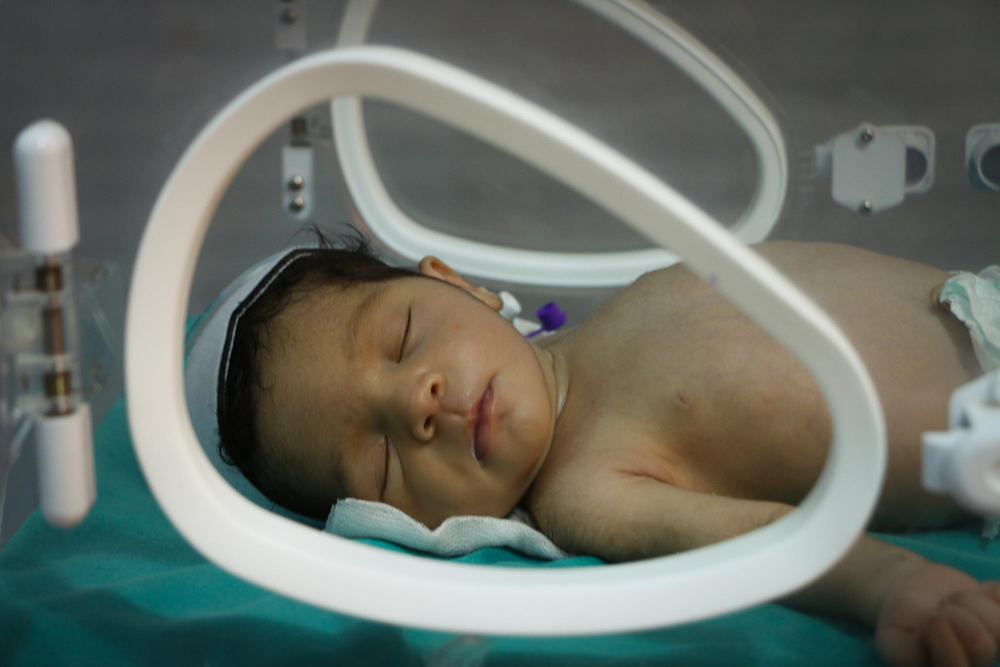
Neonatal jaundice is a common condition in newborns. It causes yellow skin and eyes in babies. In fact, about 60% of full-term newborns develop jaundice within the first week of life, according to the World Health Organization (WHO). Neonatal jaundice happens when there is too much bilirubin in the baby’s blood. Bilirubin is a yellow substance made when red blood cells break down. Usually, the liver removes bilirubin, but newborns’ livers are still developing. Because of this, many babies get jaundice soon after birth.
Common Symptoms of Neonatal Jaundice
Often, the first sign is yellow skin in babies. However, there are other symptoms to watch for. Early detection helps with pediatric jaundice care. Look for these signs:
Sometimes, these symptoms are mild. But, if they get worse, you should seek help.
Causes of Neonatal Jaundice
There are several reasons why newborn jaundice happens. Most cases are harmless, but some need medical care. Here are common causes:
Because there are many causes, it is important to watch your baby closely.
When Is Neonatal Jaundice Considered Normal?
Usually, mild jaundice is normal in healthy newborns. It often appears two to four days after birth and peaks by day four or five. Then, it fades as the baby’s liver matures. In most cases, jaundice goes away by two weeks of age. If your baby is feeding well, alert, and gaining weight, mild jaundice is usually not a concern. However, you should still monitor your baby for changes.
Warning Signs: When to Worry
Sometimes, jaundice can be a sign of a serious problem. You should contact your doctor if you notice any of these warning signs:
If you see any of these signs, seek medical help right away. Early treatment can prevent problems.
Diagnosis and Monitoring
Doctors use several ways to check for newborn jaundice. First, they look at the baby’s skin and eyes. Next, they may use a special device to measure bilirubin levels through the skin. If needed, a blood test confirms the amount of bilirubin. Sometimes, doctors repeat tests to see if levels are rising or falling. Regular monitoring helps keep your baby safe.
Treatment Options
Most babies with mild jaundice do not need treatment. However, if bilirubin levels are high, doctors may suggest:
With proper care, most babies recover quickly. Still, follow your doctor’s advice closely.
Prevention and Home Care Tips
While you cannot prevent all cases, you can lower the risk of severe jaundice. Try these tips:
Early action helps keep your baby healthy and safe.
When to Consult a Pediatrician
Even though most newborn jaundice is mild, you should always talk to a pediatrician if you have concerns. For example, if you notice yellow skin in babies that worsens, or if your baby seems unwell, do not wait. Additionally, if you live in a city or rural area, local pediatric jaundice care is available. Early advice from a doctor can prevent serious problems. Remember, your baby’s health comes first.
If you notice any warning signs or have concerns about neonatal jaundice, consult a pediatrician at RN Children’s Hospital for personalized guidance.