
Introduction
Dengue is a serious illness caused by a virus spread by mosquitoes. During the monsoon, the risk of dengue rises, especially for children. Because rainwater collects in many places, mosquitoes breed more easily. Therefore, it is important to protect your child from dengue this monsoon. Early prevention can help keep your family safe and healthy. In this blog, you will learn about dengue, its symptoms, and simple ways to prevent it.
What is Dengue?
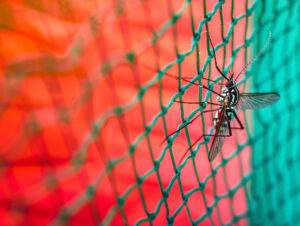
Dengue is a viral infection. It spreads through the bite of an infected Aedes mosquito. These mosquitoes usually bite during the day. They breed in clean, still water found in buckets, flower pots, and puddles. Although dengue can affect anyone, children are often more at risk. According to the World Health Organization (WHO), dengue cases increase during the rainy season.
Why Are Children at Risk During Monsoon?
During the monsoon, water collects in many places. As a result, mosquitoes have more spots to lay eggs. Children often play outside and may not notice mosquito bites. Also, their immune systems are still developing. Because of these reasons, children are more likely to get dengue in the rainy season. Parents should stay alert and take extra care during this time.
Symptoms of Dengue in Children
Dengue symptoms can appear 4 to 10 days after a mosquito bite. Some signs are mild, but others can be serious. Watch for these common symptoms:
However, some warning signs mean you should seek help right away:
How to Protect Your Child from Dengue
Prevention is the best way to avoid dengue. Here are some easy steps you can follow:
By following these dengue prevention tips for children, you can lower the risk of infection this rainy season.
When to Seek Medical Help
Sometimes, dengue can become severe. If your child shows any warning signs, seek medical help right away. These include:
Early treatment can prevent serious problems. Always consult a doctor if you are unsure about your child’s symptoms.
Dengue Myths and Facts
Many myths about dengue can cause confusion. Let’s clear up some common ones:
Summary and Key Takeaways
Consult a pediatrician Dr. ABDUL SAMAD for personalized advice on dengue prevention this monsoon.