Introduction
Malaria is a serious disease spread by mosquito bites. Children are especially at risk, so parents must know how to prevent malaria in children. Because malaria can cause high fever and other health problems, protecting kids from malaria is very important. With the right malaria prevention tips every parent should know, families can stay safe, even in tropical regions. This guide shares easy malaria safety tips for families and explains how to keep your child healthy.
What is Malaria?
Malaria is an illness caused by a tiny parasite. Mosquitoes carry this parasite and pass it to people when they bite. Once inside the body, the parasite can make a person very sick. Children can get a high fever, chills, and feel tired. In some cases, malaria can be life-threatening. However, with simple steps, parents can help prevent malaria in children.
Why Children Are at Higher Risk
Children are more likely to get sick from malaria. Their immune systems are still growing, so they cannot fight the disease as well as adults. Also, young children may not notice or tell you about mosquito bites. Because of this, parents need to be extra careful. In many tropical regions, malaria is common, so families living or traveling there should be alert.
Key Malaria Prevention Tips for Parents
Use of Mosquito Nets and Repellents
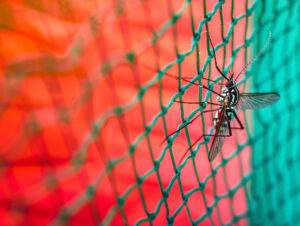
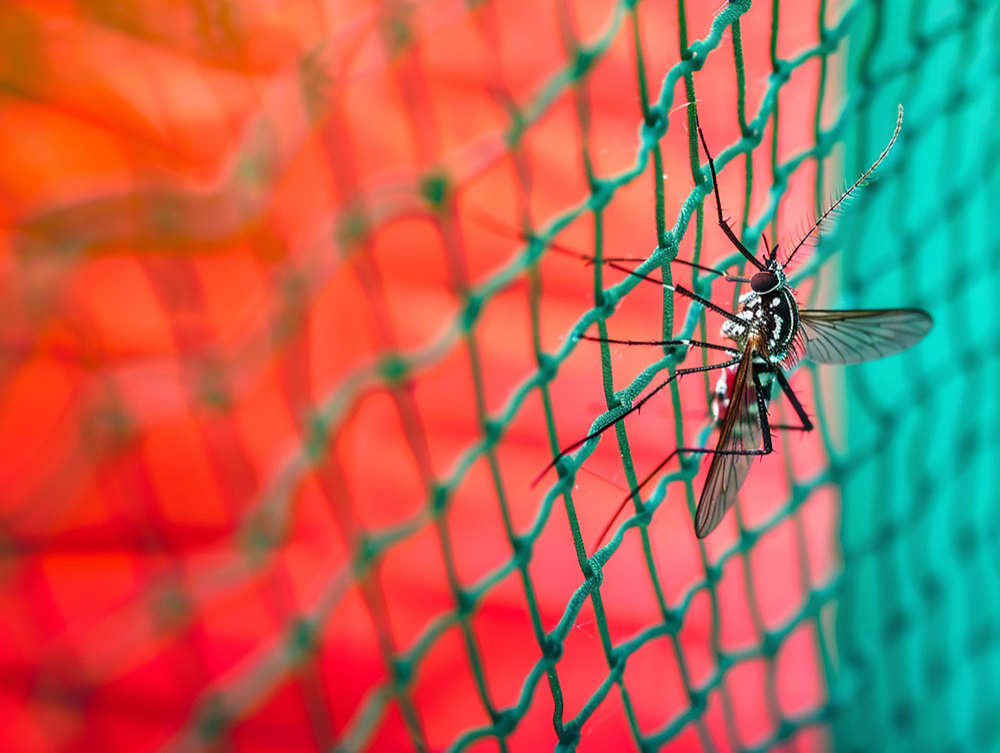
First, always use a mosquito net over your child’s bed, especially at night. Mosquito nets treated with insecticide work best. In addition, apply child-safe mosquito repellent to exposed skin and clothing. For babies, use nets over strollers and cribs. These steps help keep mosquitoes away while your child sleeps or plays.
Environmental Control
Next, remove standing water around your home. Mosquitoes lay eggs in still water, so empty buckets, flower pots, and old tires. Also, keep doors and windows closed or use screens. Because mosquitoes are most active at dusk and dawn, limit outdoor play during these times.
Proper Clothing and Bedtime Routines
Dress your child in long sleeves and pants, especially in the evening. Light-colored clothes are best because they attract fewer mosquitoes. Before bedtime, check your child’s room for mosquitoes. Tuck the mosquito net under the mattress for extra safety.
Preventive Medications
In some areas, doctors may suggest preventive malaria medicine for children. Always follow your doctor’s advice about these medicines. If you plan to travel to a place where malaria is common, talk to your pediatrician first. They can recommend the right medication and dose for your child.
Travel Precautions
Before traveling to tropical regions, learn about malaria risks in that area. Pack mosquito nets, repellents, and proper clothing. Also, check if your child needs preventive medicine. After returning home, watch for any signs of illness and contact your doctor if needed.
Recognizing Early Symptoms in Children
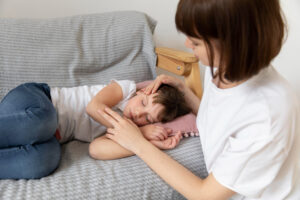
Even with good prevention, it is important to know the early signs of malaria. Watch for these symptoms in your child:
If your child has any of these symptoms after being in a malaria area, act quickly. Early treatment can save lives.
When to Seek Medical Help
If your child has a fever and you suspect malaria, see a doctor right away. Do not wait for symptoms to get worse. Because malaria can become severe quickly, early medical care is very important. Tell the doctor if your child has traveled to or lives in a malaria-prone area. Quick action can help your child recover faster.
Additional Resources for Parents
For more information, visit trusted sources like the World Health Organization (WHO) and the Centers for Disease Control and Prevention (CDC). These websites offer up-to-date advice on malaria prevention and treatment. You can also ask your pediatrician for local malaria safety tips for families.
To keep your child safe, follow these malaria prevention tips every parent should know. Consult a pediatrician at RN Children’s Hospital for personalized malaria prevention advice for your child.